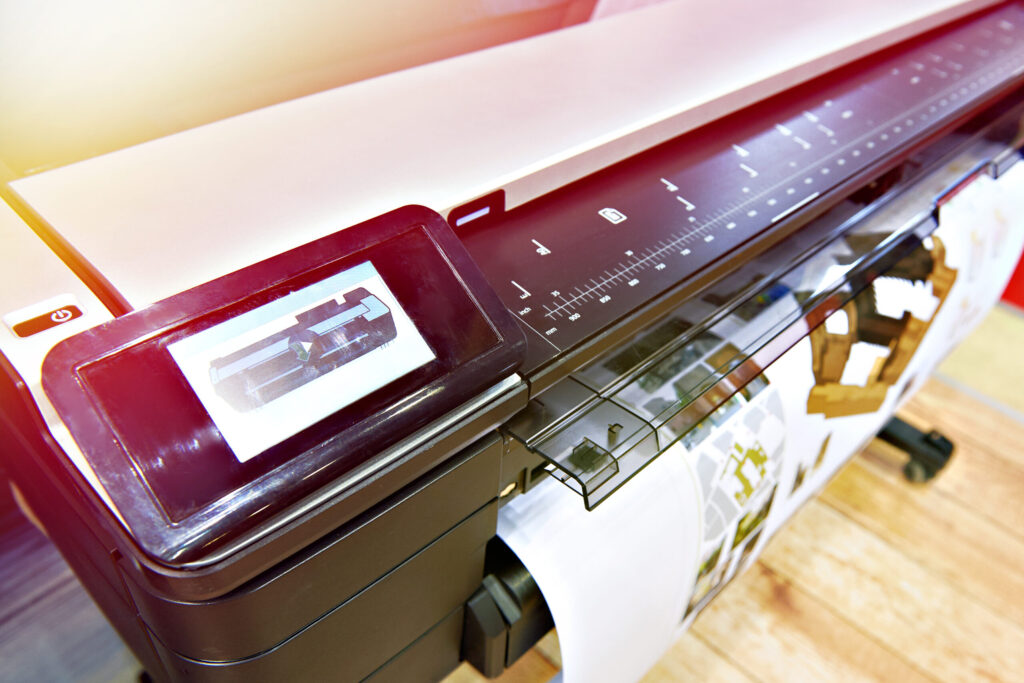
Understanding plotter paper sizes is fundamental for anyone ordering construction drawings and technical prints. The size you choose affects cost, handling, storage, and usability on the jobsite. At RK Reprographics, we work with all standard plotter paper sizes daily, and we’ve found that many people don’t fully understand the available options. This guide covers everything from letter-size rolls to massive custom widths.
Industry standards for construction documentation are maintained by organizations like the American Institute of Architects.
The Standard ANSI Sizing System
The American National Standards Institute (ANSI) established standard paper sizes specifically for technical drawings. These are based on proportional scaling, making it easy to enlarge or reduce drawings while maintaining the aspect ratio.
A-Size is 8.5 by 11 inches, standard letter size rarely used for construction plots. B-Size is 11 by 17 inches, tabloid size common for smaller projects and details. C-Size is 17 by 22 inches, the most common for standard architectural drawings. D-Size is 22 by 34 inches, used for large projects, site plans, and comprehensive drawings. E-Size is 34 by 44 inches for massive drawings, rarely used due to handling difficulty.
Each size is roughly twice the area of the previous size, which is why they’re proportionally compatible. A drawing designed for D-size can be reduced to C-size without changing the aspect ratio—it just gets smaller, not distorted.
Common Plotter Roll Widths
Most large-format printers use rolls rather than cut sheets. The width of the roll determines what plotter paper sizes you can produce. Common roll widths include 24-inch rolls that accommodate up to 22-inch width prints and are most common for mid-size offices, 36-inch rolls that allow full D-size (34 inches) across the roll as the standard for professional reprographics, 42-inch rolls that provide extra margin for 36-inch wide prints and reduce waste, and 54-inch rolls for large-scale printing that is rarely needed except for specialty applications.
At RK Reprographics, our equipment includes 36-inch and 42-inch roll capabilities, which covers the vast majority of construction printing needs. The waste depends on how the job is organized on the roll.
C-Size: The Industry Standard for Plotter Paper Sizes
If there’s one size that dominates construction reprographics, it’s C-size (17 by 22 inches). It’s large enough to show substantial detail, but small enough to handle easily, file in standard plan rooms, and fit in most vehicles.
Most architectural firms design their standard drawing sets for C-size. It’s the default assumption in the industry. When a contractor says “give me a set of plans,” they’re usually expecting C-size blueprints. Advantages include standard filing, easy handling, reasonable paper costs, and fitting in cars. Disadvantages include fine details can be small and may require magnification to read dimensions.
D-Size: For Large or Complex Projects
D-size (22 by 34 inches) is used when you need more real estate for details. Site plans, large floor plans, and comprehensive mechanical drawings often specify D-size. Use D-size for large projects, multiple systems on one sheet, and detailed construction sequences. Handling challenges include being harder to manage on crowded jobsites and requiring larger filing systems. The cost impact is approximately 50% more paper per print than C-size.
We’ve noticed D-size becoming more popular as architects try to consolidate information and reduce the number of sheets needed. Rather than a 30-sheet C-size plan set, you might have a 20-sheet D-size set.
B-Size and A-Size: Reduced Plotter Paper Sizes
Smaller plotter sizes serve specific purposes. B-Size (11 by 17 inches) is common for reduced drawing sets for reference and fits in a standard binder. A-Size (8.5 by 11 inches) is rarely used for original construction drawings but sometimes for detail references.
Many firms order a full C-size or D-size set for jobsite use, then have reduced B-size sets printed for office reference, RFI responses, and management reviews. This costs less and provides better organization than large sets for everyone.
E-Size and Oversized Prints
E-size (34 by 44 inches) exists in the standard but is rarely used. It’s extremely difficult to handle, doesn’t fit in normal plan rooms, and presents serious visibility and storage challenges.
If you need truly oversized prints, consider whether digital viewing or tiled prints (printing one drawing across multiple sheets) might serve you better. E-size prints often end up rolled in closets rather than actually used.
Custom and Non-Standard Plotter Paper Sizes
Modern large-format printers can produce almost any custom size within roll width limitations. Some applications use non-standard widths including panoramic prints that are very wide and narrow for site documentation or elevations, square formats that are unusual but sometimes specified for specific visual purposes, and trimmed rolls from suppliers for specific repeated sizes.
Custom sizes typically cost more due to increased waste and setup time. At RK Reprographics, we’re happy to accommodate custom plotter paper sizes, but we recommend discussing costs upfront.
Choosing the Right Plotter Paper Size for Your Project
Several factors should guide your sizing decision. Complexity is key because more detail requires larger sizes while simple plans work fine small. Budget matters since larger sizes cost more per print so you must balance against jobsite usability.
Handling is also important—consider who will carry and use prints since construction workers prefer manageable sizes. Storage requirements increase with larger plans as they need larger plan rooms and storage systems. Following industry standards means staying with C-size or D-size unless you have specific reasons otherwise.
Frequently Asked Questions
What’s the most economical plotter paper size? C-size (17 by 22 inches) balances detail capability with cost and usability.
Can I mix sizes in one plan set? Yes, though it’s less common. Some firms use larger D-size for site plans and C-size for details.
How does paper size affect print cost? Cost is roughly proportional to area. D-size costs roughly 50% more than C-size.
Why not always use the largest size? Larger prints are harder to handle on jobsites, cost more, and require larger storage and filing systems.
Do all printers handle all plotter paper sizes? Most handle A through D. E-size requires specific equipment. Professional services like RK Reprographics handle all sizes routinely.
Selecting the right plotter paper sizes impacts both your project efficiency and budget. At RK Reprographics, we help firms choose optimal sizes and can produce any standard or custom dimensions. Contact us today.
Professional Reprographic Services Benefit Your Project
At RK Reprographics, we understand that construction printing extends far beyond simple document reproduction. Professional reprographic services integrate into your project workflow, supporting efficient project delivery and quality control. Our team brings decades of experience serving construction firms, architects, and engineers across the region.
Industry Best Practices and Standards
The reprographics industry follows established best practices developed through years of supporting construction projects. These standards address document preparation, printing specifications, quality control, and delivery logistics. Understanding these practices helps you leverage reprographic services most effectively.
Professional reprographic vendors invest in equipment, training, and processes that exceed what most in-house operations can achieve. Specialized wide-format printers, color management systems, quality control procedures, and logistics capabilities represent significant capital investments that individual construction firms rarely justify.
Technology and Digital Integration
Modern reprographic services integrate with your digital workflow through online portals, cloud storage, API connections, and digital plan rooms. These technologies eliminate manual file transfers, automate document distribution, enable version control, and create searchable archives of all project documents.
Technology integration improves efficiency dramatically. Workflows that previously required multiple manual steps now complete automatically. Files transmit to reprographic services from your project management system. Production status updates automatically. Completed documents transmit directly to job sites. Digital archives store all documents for future reference and compliance documentation.
Partnership Benefits and Long-term Value
Reprographic service providers who understand your business become valuable partners in project delivery. They anticipate your needs, optimize their operations to serve your requirements, and maintain flexibility for your unique project demands. Long-term partnerships deliver benefits beyond cost reduction: improved responsiveness, prioritized service, better communication, and continuous process improvement.
RK Reprographics has served construction firms throughout the region for years. We understand the unique challenges of managing printing across complex, distributed projects. We’re committed to being more than a vendor—we’re a partner in your project success.
For more information about construction document services, visit our complete guide to reprographics.