Skip to content
Understanding Digital Plan Rooms
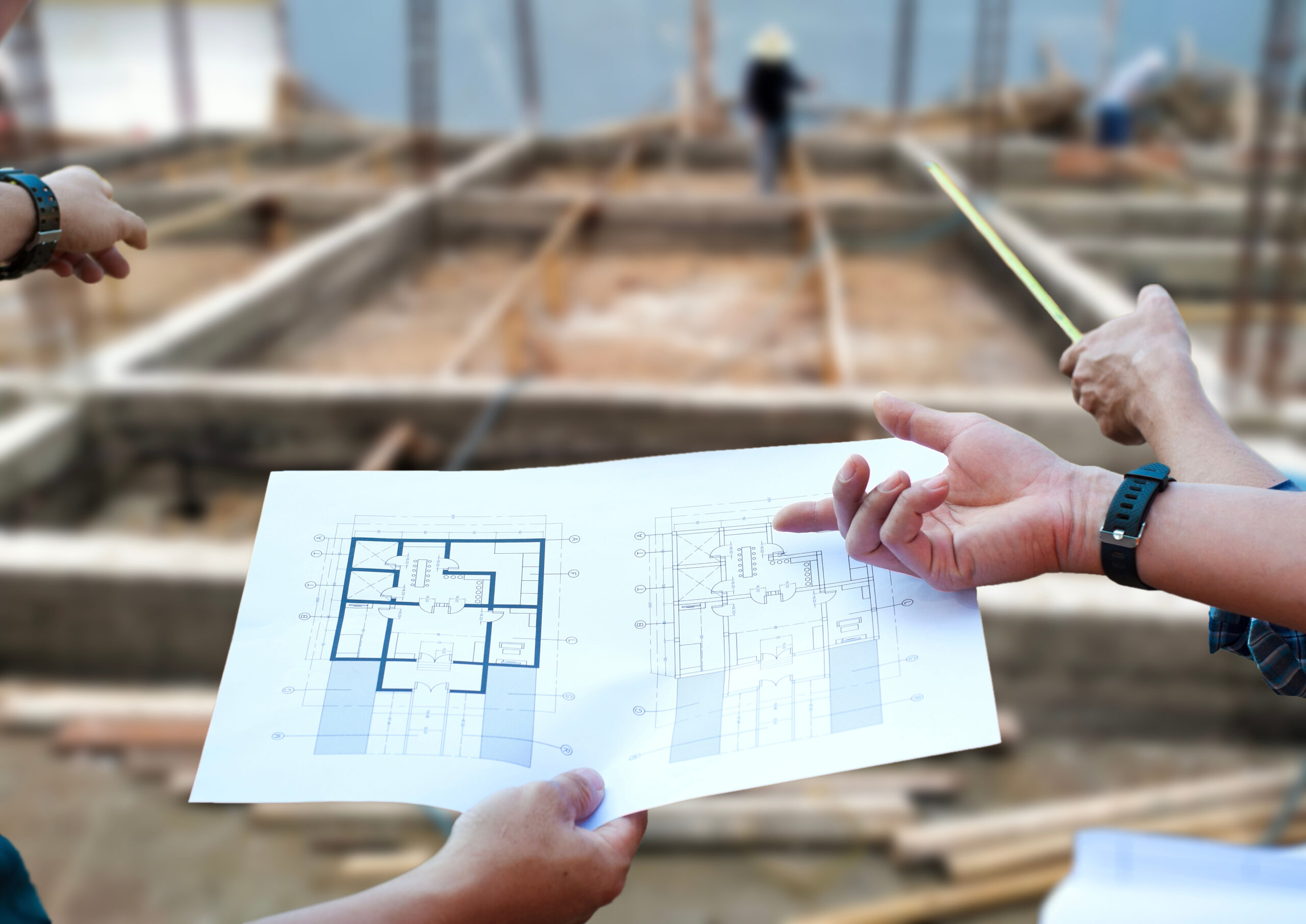
Digital plan rooms are online platforms that allow users to store, share, and manage project documents in a centralized location. They provide a modern alternative to traditional physical prints, enabling easier access and collaboration among team members.
These platforms often include features such as version control, real-time updates, and secure access, making them an essential tool for project management in various industries. For example, construction firms can utilize digital plan rooms to streamline communication and reduce the risk of errors associated with outdated plans.
The Advantages of Digital Over Traditional Printing
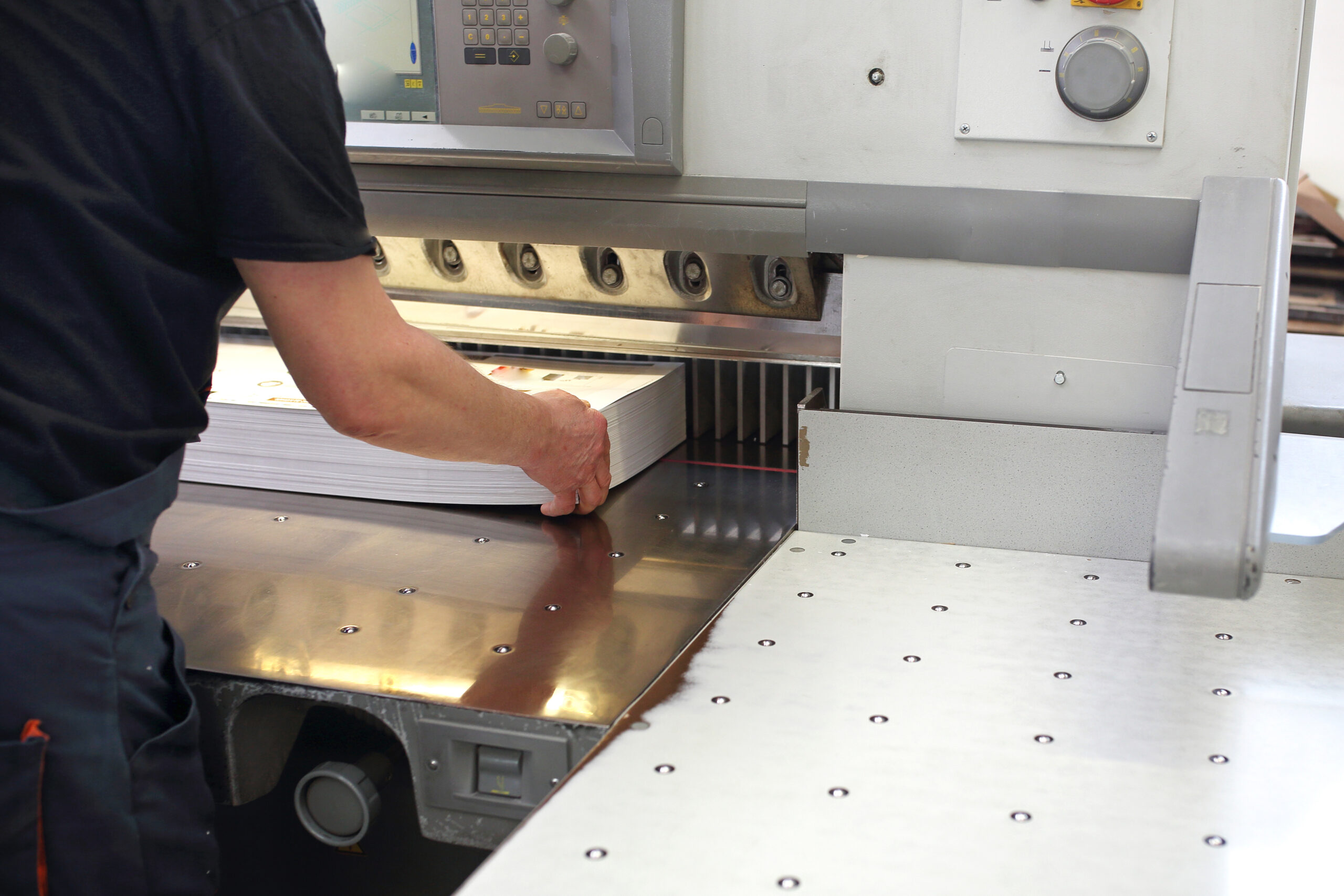
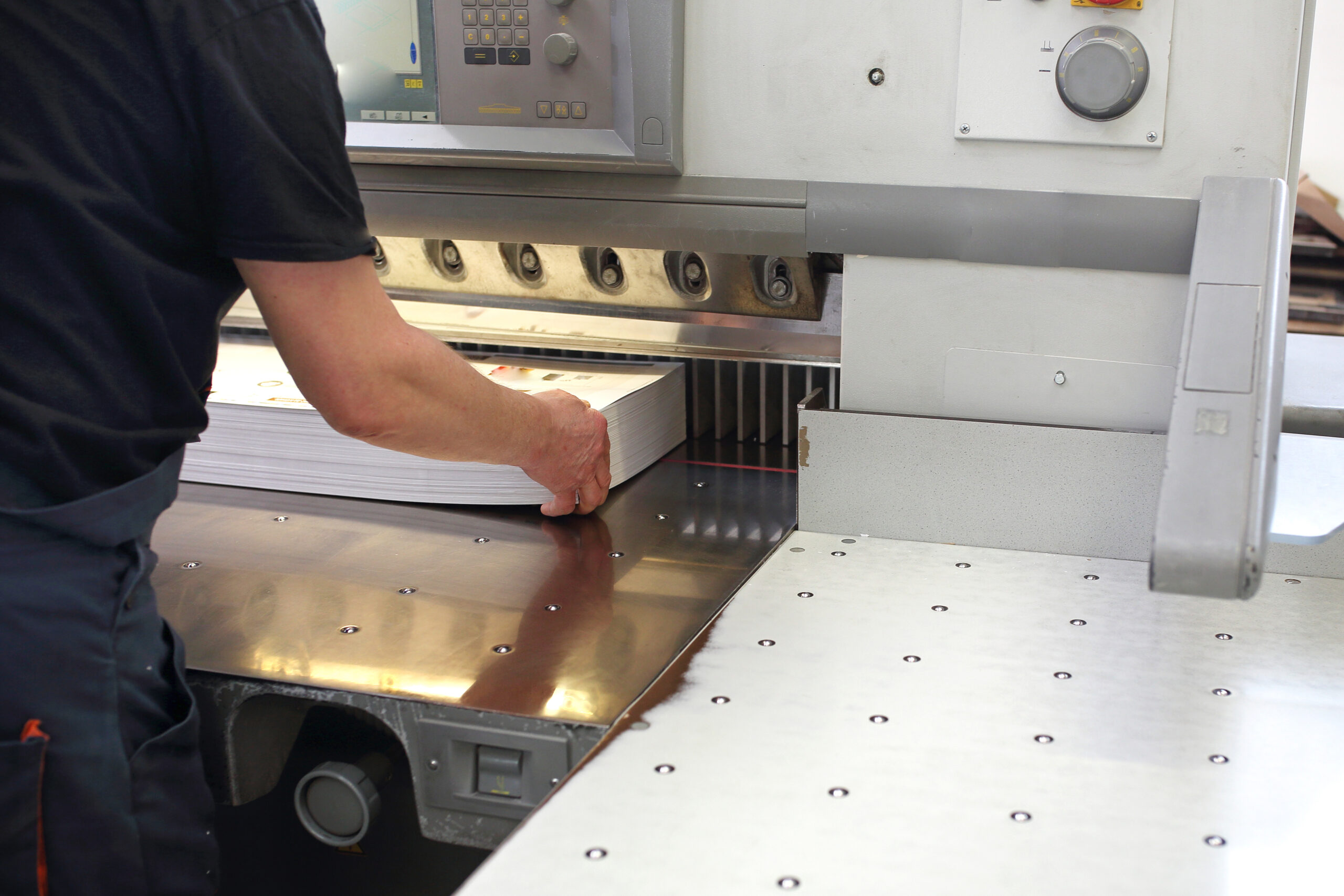
Digital printing offers several key advantages over traditional printing methods, including faster turnaround times and lower costs for short runs. This flexibility makes digital printing particularly appealing for businesses that require quick adjustments and updates to their materials.
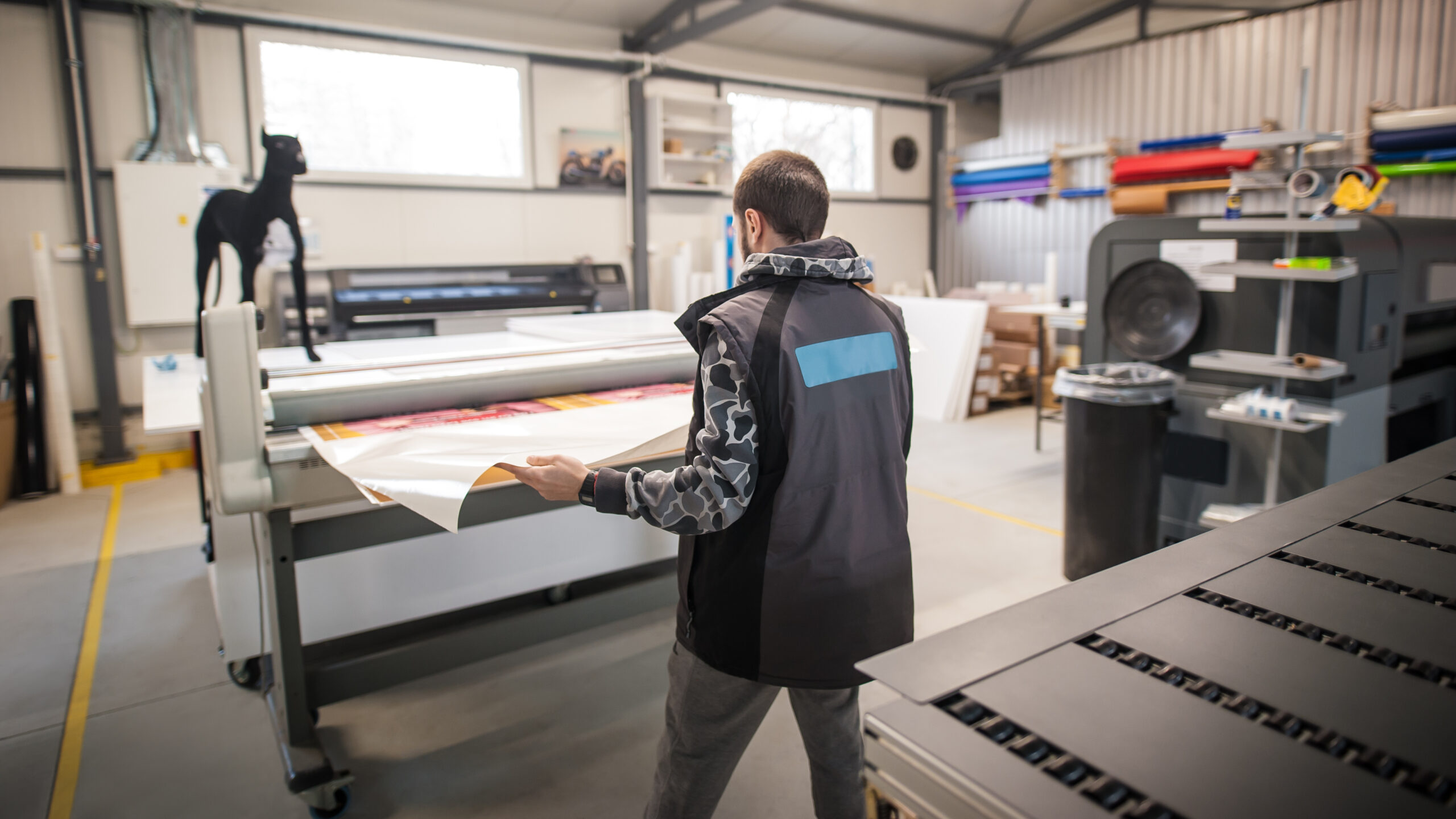
Moreover, digital printing allows for customization and personalization of prints, which can enhance marketing efforts. For instance, businesses can produce targeted materials for specific audiences without incurring the high costs typically associated with traditional offset printing.
Impact of Digital Plan Rooms on Project Management
The integration of digital plan rooms into project management practices has transformed how teams collaborate and share information. By providing a centralized hub for all project documents, they minimize the chances of miscommunication and ensure that everyone is working with the most current information.
Additionally, digital plan rooms can improve efficiency by allowing teams to access plans and documents from anywhere, reducing the need for physical meetings and paper-based communication. This shift not only saves time but also contributes to sustainability efforts by decreasing paper usage.
Future Trends in Printing and Reprographics
As technology continues to evolve, the printing and reprographics industry is witnessing significant changes. Innovations such as 3D printing and advanced digital workflows are reshaping how businesses approach their printing needs.
Furthermore, the increasing demand for eco-friendly printing solutions is prompting companies to adopt sustainable practices, such as using recycled materials and energy-efficient printing processes. Staying informed about these trends is crucial for businesses looking to remain competitive in the ever-changing landscape of print and reprographics.
Understanding Digital Plan Rooms
Digital plan rooms are online platforms that allow users to store, share, and manage project documents in a centralized location. They provide a modern alternative to traditional physical prints, enabling easier access and collaboration among team members.
These platforms often include features such as version control, real-time updates, and secure access, making them an essential tool for project management in various industries. For example, construction firms can utilize digital plan rooms to streamline communication and reduce the risk of errors associated with outdated plans.
The Advantages of Digital Over Traditional Printing
Digital printing offers several key advantages over traditional printing methods, including faster turnaround times and lower costs for short runs. This flexibility makes digital printing particularly appealing for businesses that require quick adjustments and updates to their materials.
Moreover, digital printing allows for customization and personalization of prints, which can enhance marketing efforts. For instance, businesses can produce targeted materials for specific audiences without incurring the high costs typically associated with traditional offset printing.
Impact of Digital Plan Rooms on Project Management
The integration of digital plan rooms into project management practices has transformed how teams collaborate and share information. By providing a centralized hub for all project documents, they minimize the chances of miscommunication and ensure that everyone is working with the most current information.
Additionally, digital plan rooms can improve efficiency by allowing teams to access plans and documents from anywhere, reducing the need for physical meetings and paper-based communication. This shift not only saves time but also contributes to sustainability efforts by decreasing paper usage.
Future Trends in Printing and Reprographics
As technology continues to evolve, the printing and reprographics industry is witnessing significant changes. Innovations such as 3D printing and advanced digital workflows are reshaping how businesses approach their printing needs.
Furthermore, the increasing demand for eco-friendly printing solutions is prompting companies to adopt sustainable practices, such as using recycled materials and energy-efficient printing processes. Staying informed about these trends is crucial for businesses looking to remain competitive in the ever-changing landscape of print and reprographics.