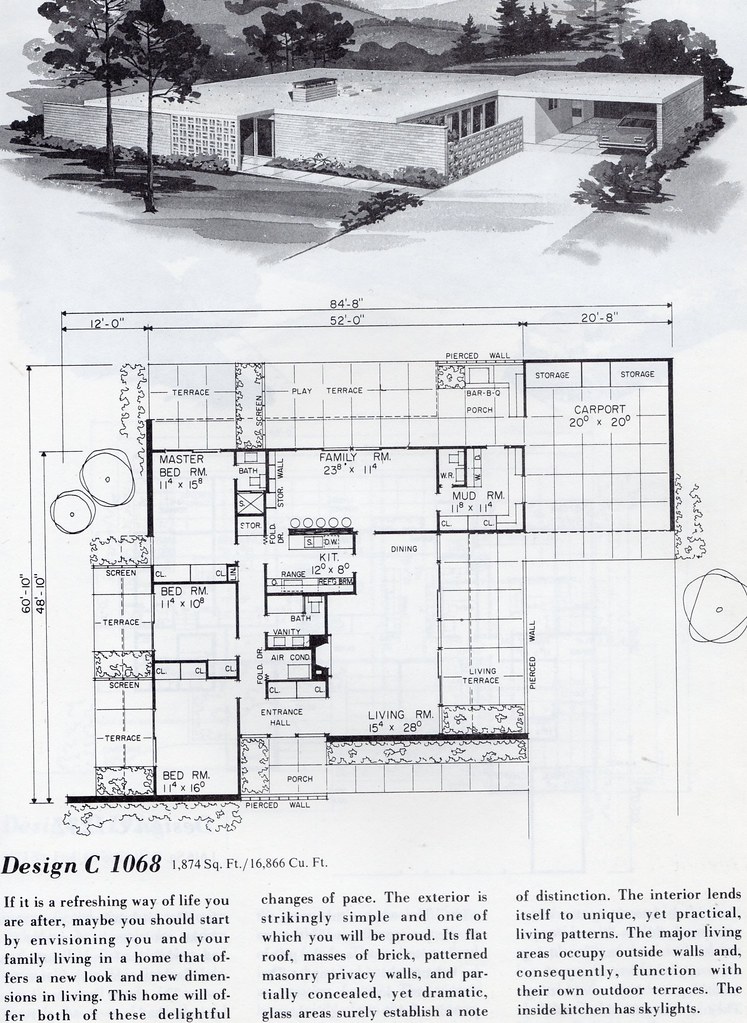
The journey from a digital design file to a printed blueprint involves several distinct stages, each critical to producing accurate, high-quality construction documents. Understanding this process helps architects, engineers, and contractors communicate more effectively with their reprographic providers and avoid common pitfalls that can delay production or compromise print quality.
Modern blueprint printing has evolved dramatically from the chemical-based processes of the past into a streamlined digital workflow that combines efficiency with precision. Today’s process combines online file management, automated quality checks, precision digital printing technology, and professional finishing services to deliver construction documents that meet the demanding standards of the building industry.
Step 1: File Creation and Export
The blueprint printing process begins in the design office where the drawing originates. Architects and engineers create construction drawings using CAD (Computer-Aided Design) software such as AutoCAD, Revit, MicroStation, or ArchiCAD. These powerful software platforms allow designers to create precise technical drawings with exact dimensions, properly scaled details, and standardized annotations that communicate design intent clearly.
Once the drawings are complete and reviewed, the designer exports them as PDF files. PDF is the universal standard for blueprint printing because it preserves the exact layout, fonts, line weights, and dimensions regardless of what software or operating system is used to view, modify, or print the file. PDF is device-independent, meaning the printed output will look the same whether printed on a high-end reprographic plotter or a basic office printer (though print quality will vary significantly).
When exporting PDFs for blueprint printing, designers should set the page size to match the intended print size (such as ARCH D at 24 x 36 inches) and ensure fonts are embedded in the file so the reprographic shop doesn’t have to substitute fonts that might alter the appearance of text and annotations. Designers should also verify that all external references are resolved—if a drawing references files from other locations, those references must be fully embedded or the drawing will contain missing elements.
Step 2: File Submission and Online Ordering
Files reach the reprographic provider through several channels. The most common method today is online upload through the provider’s web portal or plan room platform. These modern portals allow customers to upload files, view previous orders, check on current job status, and place new orders at any time of day or night—no waiting for business hours to be open. Online ordering portals typically provide step-by-step guidance through the ordering process, reducing errors and improving customer satisfaction.
Some providers also accept files via email for smaller submissions (though very large files can exceed email size limits), FTP/SFTP for large file sets that need secure transfer, or physical media such as USB drives delivered in person for customers who prefer to handle files directly. During file submission, the customer specifies the print parameters: number of sets required, paper size (ARCH A through ARCH E or custom), media type (bond for standard prints, vellum for overlay drawings, Mylar for archival originals), color or monochrome output, folding requirements (if any), special finishing (binding, three-hole punching, etc.), and delivery method and location. Clear, detailed communication of these specifications at submission time prevents production errors and ensures the finished product meets customer expectations.
Step 3: Preflight and Quality Check
Before production begins, a critical preflight process checks the submitted files for potential problems that would result in poor-quality output or production failures. This automated and manual process may include verifying that page sizes match the ordered print size (a mismatch would result in scaled output that isn’t dimensionally accurate), checking for missing or substituted fonts that could alter the appearance of text and annotations, confirming that line weights will reproduce clearly at the printed size, and identifying any pages that appear blank, corrupted, or improperly formatted.
Automated preflight software handles many of these checks quickly and efficiently, scanning multiple files and generating reports of any issues found. However, experienced reprographic operators also review files visually, particularly for large or complex orders where issues might be subtle. If the preflight process identifies issues, the provider contacts the customer to discuss options and resolve them before production begins. This quality gate prevents wasted materials and production time on files that would produce unsatisfactory results.
Step 4: Printing and Production
With files verified and approved, production begins on wide-format digital plotters. These sophisticated machines accept continuous rolls of paper (typically available in widths of 18, 24, 30, 36, 42, or 44 inches) and print at speeds ranging from several hundred to over one thousand square feet per hour depending on the plotter technology, print quality settings, and media type. Modern production plotters can process a complete 200-sheet drawing set in under an hour, though large color projects may take longer.
During printing, the plotter’s internal calibration systems continuously monitor and maintain dimensional accuracy across the full width and length of every sheet. Temperature and humidity conditions in the production area are monitored closely because paper dimensions can change with environmental conditions—moisture-laden air causes paper to expand slightly, while dry air causes contraction. High-end reprographic operations maintain carefully climate-controlled production environments (typically 68-72°F and 45-55% relative humidity) to ensure consistent output quality and dimensional stability across all print runs.
The plotter operator monitors the output continuously during long print runs, watching for quality issues such as clogged print heads (which would cause color banding), paper jams, or toner streaking. Professional reprographic printers understand that early detection of problems prevents the entire remaining set from being wasted.
Step 5: Cutting and Finishing
After printing completes, continuous roll output is cut into individual sheets at the correct dimensions. Automated cutting systems precisely measure and trim each sheet to the specified dimensions. Sheets are then organized and collated into complete sets, with each set containing every drawing sheet in the correct order—critical for construction documents where sheet sequence matters.
Folding is one of the most common finishing operations performed on large-format prints. Large-format prints (typically 24 x 36 inches or larger) are folded down to approximately 8.5 x 11 or 9 x 12 inches—standard filing sizes—with the title block positioned on the visible outside panel so the drawing can be identified when filed or stored. Automated folding machines handle this task at production speeds, ensuring consistent fold quality across hundreds or thousands of sheets while maintaining precise creases.
Other finishing options available at most reprographic providers include three-hole punching for insertion into standard three-ring binders (useful for specification books), saddle-stitch or coil binding for thicker sets (useful for comprehensive bid packages), and tab insertion for quick drawing set organization (useful for large drawing sets where certain sheets are referenced frequently).
Step 6: Quality Verification and Inspection
Before orders leave the production floor, a final quality verification confirms that the output meets the customer’s specifications and reprographic quality standards. This verification includes checking scale accuracy with precision measuring tools on random sample sheets (catching any drift in plotter calibration), verifying print completeness (confirming that all requested sets are present with all sheets accounted for), confirming proper folding and finishing quality, reviewing overall print quality for legibility and line sharpness, and checking that colors (on color orders) match specifications.
Scale accuracy verification is particularly important because it’s the most critical quality metric in construction printing. Reprographic shops use calibrated rulers and test patterns to confirm that dimensions on the printed output exactly match the dimensions in the original digital file. A drawing printed at 99% of scale will look identical to the untrained eye but will cause dimensional errors on the construction site. This check catches any drift in plotter calibration before it affects customer deliverables and ensures that field crews can safely and accurately measure from the prints they receive.
Step 7: Packaging and Delivery
Completed orders reach customers through local delivery, customer pickup, or shipping to locations anywhere in the country. Local delivery services typically cover a defined geographic area around the production facility (perhaps 10-20 miles), with same-day and next-day options available for most customers. Shipping serves customers beyond the local delivery area, with overnight, two-day, and ground shipping options through major carriers like UPS, FedEx, and DHL. Some reprographic providers maintain partner production facilities in multiple cities, allowing them to produce and deliver locally in markets where they do not have their own facility.
Proper packaging protects printed documents during transit and handling. Large-format prints are typically shipped in flat or rolled packaging designed to prevent creasing, moisture damage from weather or humid conditions, and corner damage from rough handling. Folded sets may ship in boxes or reinforced envelopes suitable for the quantity and weight of the order. Reprographic shops understand that a damaged delivery reflects poorly on both the provider and the construction project, so packaging quality receives careful attention.
Frequently Asked Questions
How long does the entire process take from file submission to delivery?
For standard orders submitted before mid-afternoon (typically 2:00 or 3:00 PM), most reprographic providers complete production the same day and have the order ready for next-morning pickup or delivery. Rush and same-day services can compress this timeline to just a few hours for smaller orders (typically available for orders with less than 500 sheets).
What happens if there is an error in my files?
The preflight process catches most file errors before printing begins. If issues are found, the provider contacts you immediately to discuss options: you can submit corrected files (and typically get priority processing), approve the order with known limitations, request that certain pages be omitted, or cancel the affected sheets. Catching errors before production saves time and materials for both parties and prevents wasted printing.
Can I make changes to my order after submission?
Most providers allow order modifications before production begins. Once printing starts, changes may not be possible without additional charges or may require canceling the current production and starting fresh. If you need to update files or change specifications, contact your provider as soon as possible to determine whether modifications can be accommodated.
What quality standards does reprographic printing maintain?
Professional reprographic providers maintain dimensional accuracy tolerances of plus or minus 0.1 percent (meaning a 24-inch dimension will measure between 23.976 and 24.024 inches), line weight consistency, color accuracy on color prints, and 100% sheet completeness before delivery.
Professional Reprographics Support for Your Project
At RK Reprographics, we work closely with construction firms, architects, engineers, and contractors to support efficient project delivery. Our team brings deep expertise in document management, printing specifications, quality control, and project logistics that directly impact your project timeline and budget.
We understand that construction printing is about far more than just putting ink on paper. It’s about ensuring every team member has accurate information at the right time. Our commitment to quality, reliability, and customer service has made us a trusted partner for construction professionals across the region.
Whether you’re managing a single residential project or coordinating multiple concurrent commercial and industrial projects across distributed job sites, professional reprographic services deliver measurable value through prevented errors, improved communication, and on-time delivery. Contact RK Reprographics today to discuss how we can support your project needs and improve your document management efficiency. See our large format printing or contact us. Resources at printing.org.